About
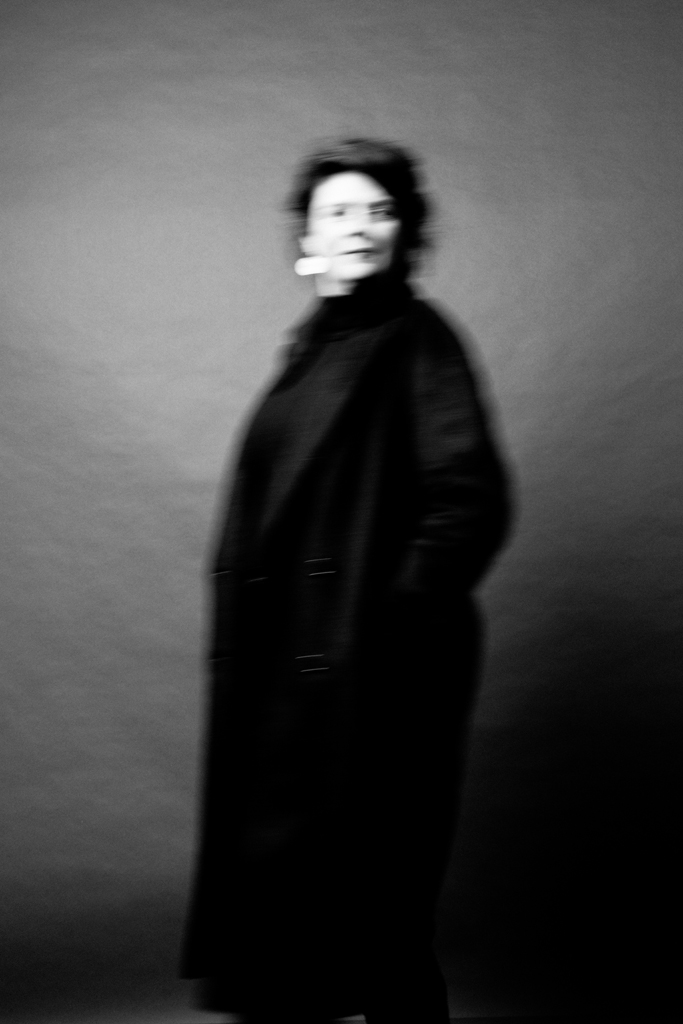
Marleen Moors (1979) explores how experiences of illness, vulnerability, mortality, and moral uncertainty illuminate what it means to be human. Drawing on years of clinical practice in oncology and palliative care, she brings together philosophy, ethics, and existential care to address questions of dignity, responsibility, suffering, and meaning. She currently works as a clinical ethicist and humanist hospital chaplain (spiritual care) at VieCuri Medical Center in the Netherlands, where she specialises in oncology and palliative care. Her work includes existential counselling, clinical ethics consultation, moral case deliberation, ethics education, and the development of institutional ethics policy. She chairs the hospital's Medical Ethics Committee and contributes to ethical reflection across multiple levels of healthcare practice. Since 2024, she has also served as an ethicist on the Dutch Regional Euthanasia Review Committee, participating in the independent review of euthanasia cases under Dutch law. Marleen also has experience in hospice and primary care.
Education, teaching, leadership
Before entering healthcare, Marleen ran her own private practice as a philosophical counselor and taught philosophy and religious studies in higher education and lectured at several national institutes. Over the past fifteen years she has combined clinical practice with teaching, writing, organisational leadership, and policy development in the fields of clinical ethics, existential therapy, palliative care, and spiritual care. She has served on national boards and advisory bodies within Dutch spiritual care and has contributed to the development of professional standards, ethics, and education.
Research and writing
Marleen studied philosophy and religious studies at the University of Saskatchewan in Canada before completing a Master of Philosophy (MPhil) at Radboud University Nijmegen. She graduated on the late work of Martin Heidegger. Her academic interests include existential phenomenology, metaphysics, the history of philosophy, philosophical ethics, hermeneutics and questions concerning vulnerability, dignity, responsibility, and meaning. Her philosophical work is informed, but not determined, by clinical practice. Years of accompanying patients and families confronted with serious illness, suffering, and mortality have revealed questions about truth and finitude and the conditions under which meaning becomes possible. These questions continue to shape her writing and research.